A gas fireplace is one of the most convenient and efficient ways to bring warmth and ambiance into your home. With just the flip of a switch or push of a button, you can enjoy a cozy fire without hauling wood or cleaning ashes. But just because it’s low-maintenance doesn’t mean it’s no-maintenance.
Just like your furnace or air conditioner, your gas fireplace should be inspected and serviced once a year. This annual maintenance is recommended by the manufacturer.
What Can Go Wrong Without Annual Maintenance?
Over time, even the best gas fireplaces can develop problems that aren’t visible to the untrained eye:
- Dust and debris buildup – Dirt, pet hair, and cobwebs can clog burners, vents, and air passages, affecting performance.
- Soot accumulation – Improper combustion can create soot, which can stain your fireplace and damage components.
- Worn or damaged parts – Gaskets, valves, and ignition systems can wear out or fail, leading to inefficient burning or gas leaks.
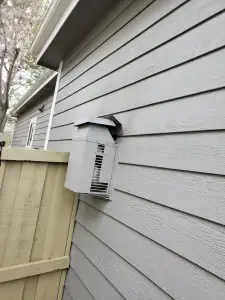
- Vent blockages – Birds, insects, snakes or debris can block the venting system, creating a potentially hazardous condition.
What We Do During a Professional Maintenance Service
At Fireplace Services Denver Flame, our annual maintenance visits include:
- Thorough inspection of all components for wear, corrosion, or damage.This picture shows two thermocouples side by side-the new one on the left, the one on the right is the one installed in the fireplace. At the time of the inspection, the pilot light was working, but when the tip of the thermocouple deteriorates further, then the pilot light would have no longer stay lit. By replacing the thermocouple before a complete failure, the homeowner should reliably use their fireplace through the winter season.
- Cleaning burners and logs to ensure proper gas flow and flame quality. Some of the issues that we have found was soot buildup on the logs due to improper placement or improper adjustment. This also turned the glass black. We have found cracked burners such as in the photo below.

- Checking gas connections for leaks.
- Testing safety controls like shut-off valves and high limit switches.
- Inspecting and cleaning the venting system for obstructions. (on certain types of fireplaces)